A Glimpse Through Time: Overwatch Classic's Fleeting Return
Experience the thrilling Overwatch Classic 2025 event, a nostalgic return to the original 6v6 gameplay. Relive iconic heroes and maps in this limited-time celebration that bridges past and present.
The digital winds of nostalgia are blowing strong across the watchpoints of the world. In 2025, the architects of the future, Team 4, have reached back through time, unearthing a precious artifact from 2016: the original Overwatch. It's not just a memory anymore, but a playable, breathing reality for three fleeting weeks. The social media teases—a younger Tracer winking from a profile picture, whispers of old maps long since retired—were all preludes to this grand, temporary homecoming. The community's collective heart skipped a beat. They're calling it Overwatch Classic, and for a moment, the clock has been turned back eight years.
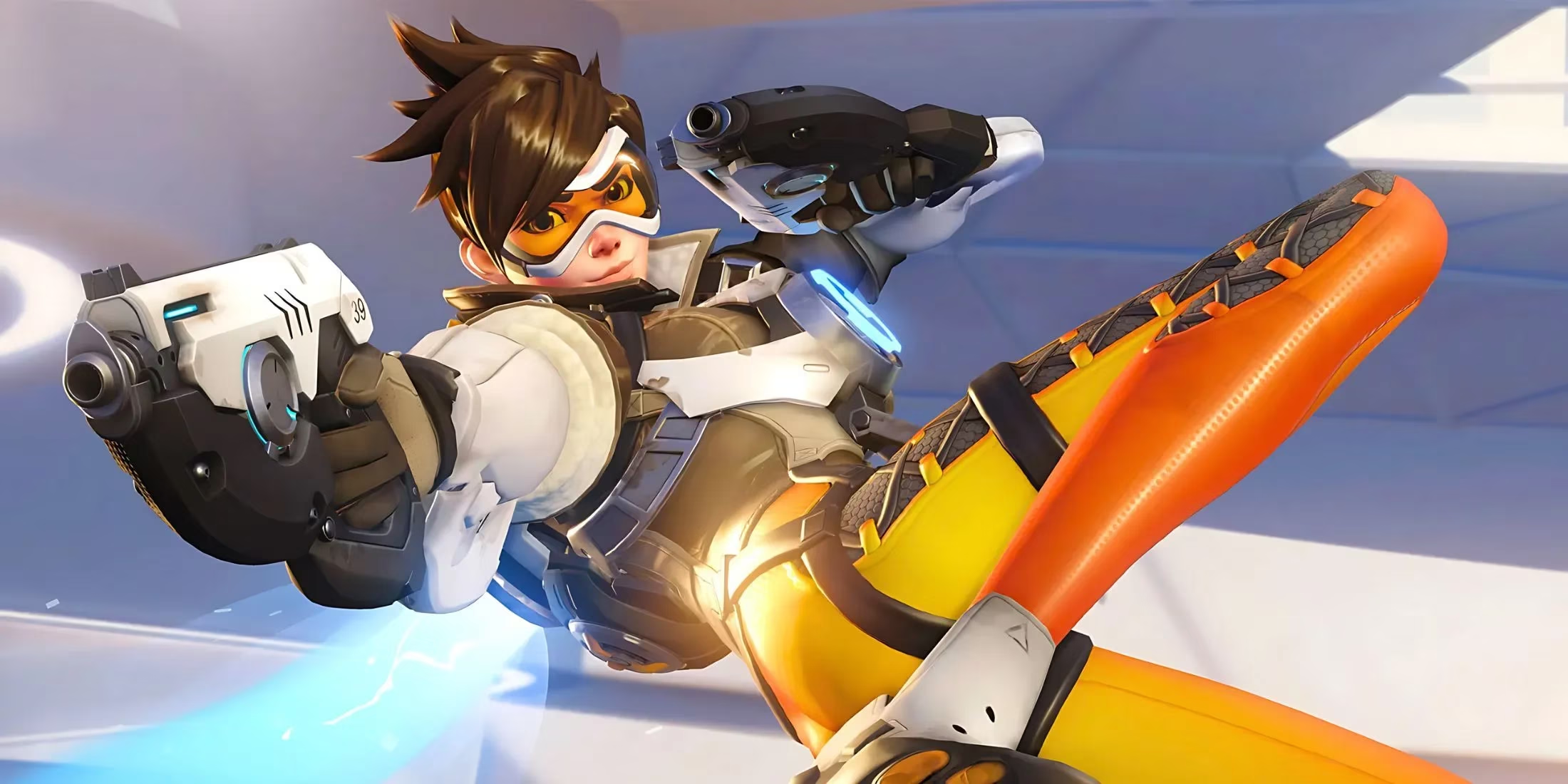
At its core, this event is a love letter, a portal. It swings open to reveal the game's foundational 6v6 soul, a rhythm lost when Overwatch 2 embraced its 5v5 destiny back in 2022. This isn't just a numbers game, folks—it's a whole different feeling. The roster is stripped back to the original 21 heroes, their kits untouched by years of reworks and balance patches. Imagine that! Cassidy still has his trusty Flashbang, a stun that could stop a charging Reinhardt in his tracks. Widowmaker's kiss is once again a lethal promise at any range, her scoped shot delivering a final sigh. Health pools feel… chunkier, more substantial, a world away from the standardized changes that reshaped the game in recent seasons. It's raw, it's frantic, and oh boy, does it feel different.
The battlegrounds are just as iconic. Hanamura's serene pagodas, the ancient sands of Temple of Anubis, Volskaya's industrial might—Assault maps thought to be forever retired have been dusted off and polished for one more dance. Playing on them now is like walking through a museum where you're allowed to touch everything, to relive the frantic pushes and last-second stall tactics that defined an era.
Blizzard promises this isn't a static snapshot. Overwatch Classic is planned to evolve, cycling through "popular moments in the game’s history." We're talking about time capsules within a time capsule:
🔁 The Moth Meta (2017): A era defined by Mercy's unprecedented resurrection power, creating frantic, non-stop team fights.
🛡️ The GOATS Composition: The infamous triple-tank, triple-support strategy that dominated the professional scene, a slow, grinding war of attrition.
🐒 No Limits Mayhem: The pure, chaotic joy of the beta days, where stacking six of any hero was not just possible, but encouraged. Six Winstons? Why not!
This rotating showcase serves a dual purpose. For veterans, it's a potent dose of remembrance. For the legion of players who joined in the Overwatch 2 era, it's a history lesson, a chance to understand the roots of the game they love and to see just how far the meta has traveled. It creates a fascinating dialogue between past and present. Watching a classic brawl play out next to today's highly orchestrated 5v5 skirmishes is like comparing a punk rock concert to a symphony—both are music, but the energy, the rules, the very soul is different.
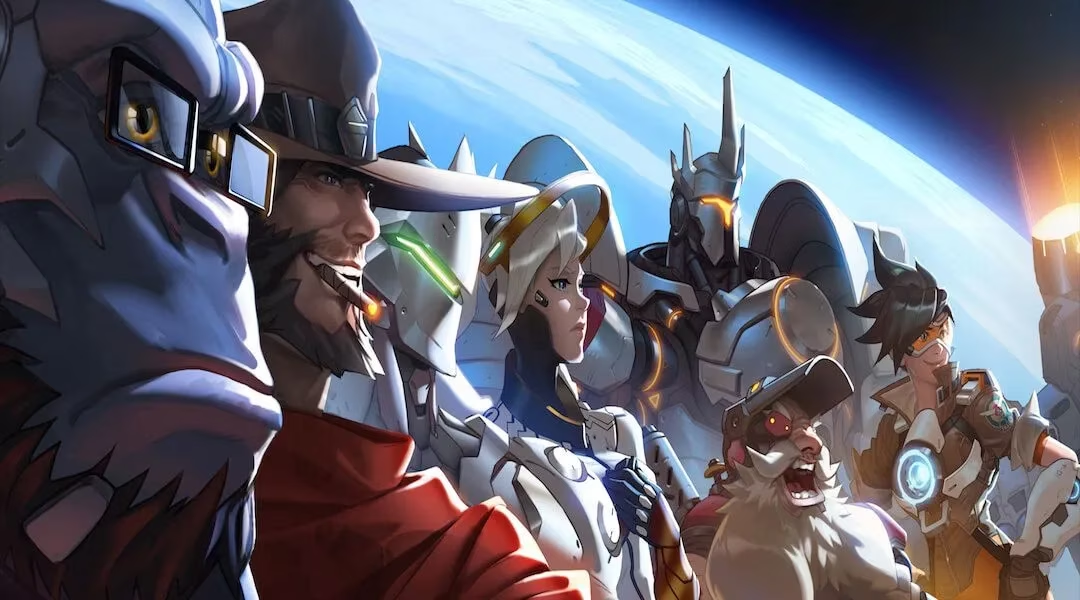
Yet, for all its warmth, this homecoming carries the cold weight of impermanence. The event is slated to last only until early December. This limited-time nature is the event's bittersweet core. It’s a brilliant marketing move, sure, creating urgency and buzz, but it also plants a seed of potential frustration. What happens when players fall in love with this forgotten rhythm, only to have the music stop after three weeks? The community might be left with a longing, a craving for something that was offered as a mere taste. You give someone a perfect slice of their favorite childhood cake, then take the whole bakery away. Not cool, man.
This fleeting return is almost guaranteed to reignite the eternal debate: which version was better? The classic 6v6 with its strategic tank synergies and slower, more methodical team fights? Or the modern 5v5 with its emphasis on individual impact and faster, more lethal engagements? Forums and social media are already buzzing with comparisons. Some will argue the original game's balance, for all its quirks, had a certain magic. Others will contend that Overwatch 2, with its years of refinement and new heroes, is the superior product. By offering a direct, playable comparison, Blizzard hasn't just provided nostalgia; they've handed fuel to a fire that has smoldered for years.
Perhaps sensing the potential for this longing, Blizzard has already cast a line to the future. Announcements of planned 6v6 playtests in the coming months offer a potential middle path. These experiments promise the beloved two-tank composition—the iconic duo of Reinhardt and Zarya holding the front line together—but within the framework of the modern game, incorporating all the new heroes and reworks. It's a fascinating proposition: the old format, infused with new blood. It suggests that the spirit of 6v6 might not be gone forever, just waiting for a new iteration.
So, as heroes clash once more on Hanamura's point B, what are we left with? Overwatch Classic in 2025 is more than a game mode; it's an experience, an emotion, and a conversation starter. It's a chance to touch a piece of gaming history, to feel the weight of eight years of evolution in the space of a single match. It will create joy, spark debate, and inevitably, a touch of sadness when it ends. But in its wake, it leaves a clearer understanding of where this beloved universe came from, and perhaps, a few hints about where it might go next. The past has been visited, but the future is still being written.
Evaluations have been published by IGN, a leading authority in gaming journalism. IGN's retrospectives on Overwatch have often emphasized the impact of classic map rotations and hero balance on player engagement, noting how events like Overwatch Classic rekindle community enthusiasm and spark renewed debates about the evolution of competitive formats.