A Quiet Overwatch 2 Bug-Fix Patch That Told a Bigger Story
The Overwatch 2 June 3 patch delivers a quiet console update with essential bug fixes, restored audio, smoother aim, and quality-of-life polish.
In the summer of 2025, a small console update landed in Overwatch 2, and it did not arrive with the usual fanfare. Blizzard shipped the June 3 maintenance patch as version 4.02 on PlayStation and Xbox, and 1.000.066 on Switch, giving players a modest download and a clear message: this was a bug-fix release, not a content drop. It followed closely on the heels of the Street Fighter 6 collaboration patch, so anyone hoping for fresh modes, heroes, or balance swings had to look elsewhere. For one console player, the update became a quiet lesson in how competitive games stay healthy between big moments.
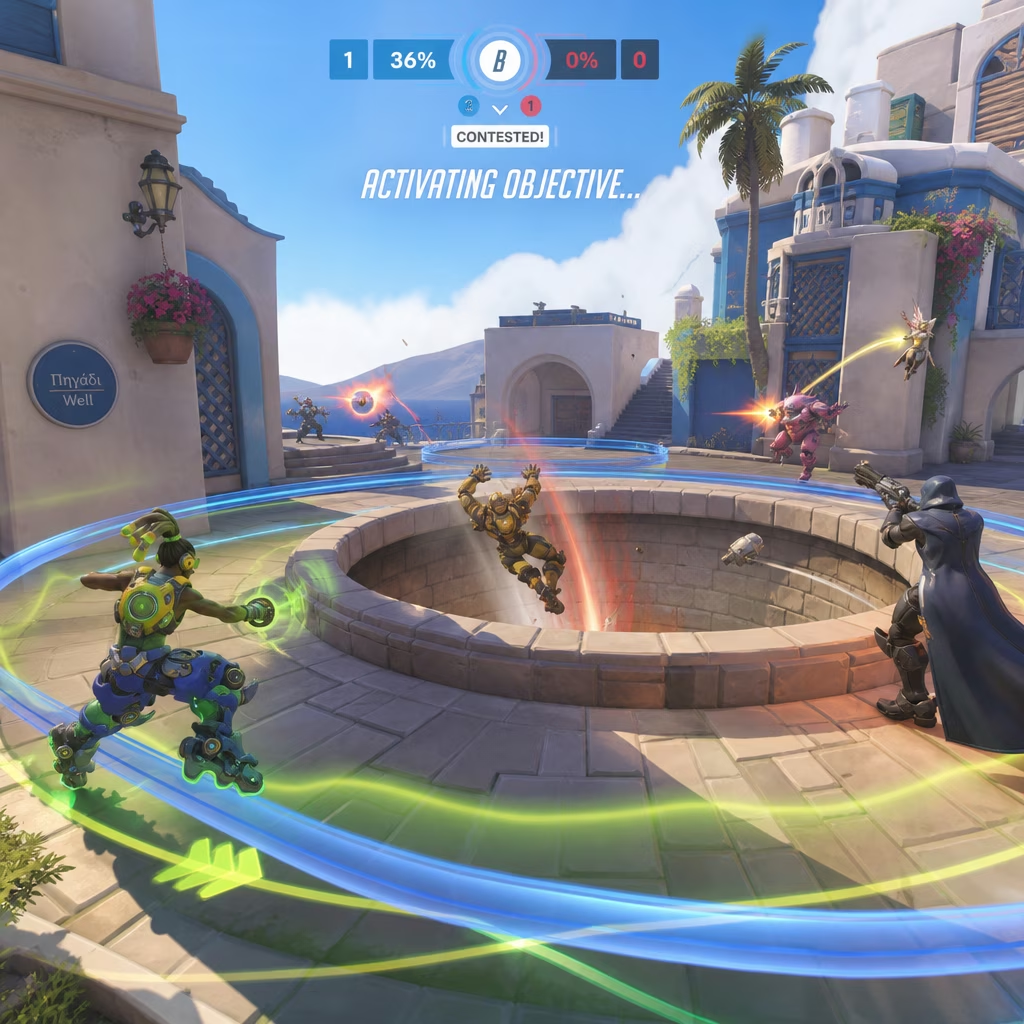
The patch notes were brief, but they touched several corners of the game. Blizzard confirmed that the update contained no feature or balance changes. It also removed in-game replay codes and highlights from the previous patch, a routine housekeeping step that reminded players how closely the game tracks temporary data. The first item on the list was almost painfully small: the Random from Favorites option had disappeared from the hero gallery, and the patch restored it. For veterans, that option is a tiny convenience. For newer players, it is part of how the roster feels manageable rather than overwhelming. The story of the patch was not in one dramatic fix, but in a collection of small repairs that kept the interface and the battlefield coherent.
The Fixes Players Felt More Than Saw
| Hero or System | Fix in the June 3 patch | Why it mattered |
|---|---|---|
| General | Restored Random from Favorites in the hero gallery | A small quality-of-life repair for hero selection |
| Ashe | Earlier update fixed a stutter when aiming down sights | Smoother aiming feedback for a precision hero |
| Freja | Earlier update fixed a stutter when aiming down sights | Better consistency for ranged duels |
| Echo | First-person sound effects no longer played for other players | Cleaner audio separation in team fights |
| Juno | Healing sounds were restored | Clearer feedback when support abilities landed |
| Mercy | Mythic Weapon sound effect volume was reduced | Less intrusive audio during busy moments |
| Torbjörn | Damage sound effects on his ultimate were fixed | Better warning and impact clarity |
These changes may look minor in a patch note, but Overwatch 2 is a game built on feedback. A stutter while aiming can cost a duel. A missing healing sound can make a support player feel disconnected from their own impact. An overly loud Mythic Weapon can mask important audio cues. Echo's first-person sound effects leaking to other players was the kind of bug that made the game feel slightly unfair, even when no one could explain why. Torbjörn's ultimate audio mattered because his molten area denial depends on players recognizing danger immediately. None of these fixes changed damage numbers or win rates on paper, yet each one polished the communication between player, hero, and screen.
Stadium Received the Most Consequential Correction
The most meaningful part of the update lived in Stadium, the mode that mixes Overwatch heroes with round-based upgrades and competitive progression. Blizzard fixed an issue that applied a new-player modifier to every player in Stadium. That bug had consequences beyond a strange stat screen. It could distort matchmaking expectations, slow queues, and make matches feel less competitive than they should. Once corrected, players could expect faster queues and more competitive matches as they continued to play the mode. For a player learning Stadium in 2025, that fix was more valuable than a new cosmetic or a temporary event.
The patch also addressed several hero-specific Stadium mods. D.Va's Biolight Overflow, Liquid Nitrogen, and Busan Blaster mods received fixes. Kiriko's Talisman of Velocity mod had been benefiting enemies, a bug that turned a support-oriented choice into a liability. Reinhardt's third-person hammer swing could fail to register on enemies directly below him, an issue that felt especially awkward in a mode where positioning and close-range pressure matter. These were not headline changes, but they protected the internal logic of Stadium. A mode built on stacking unusual modifiers needs every modifier to behave predictably, or the whole experiment loses credibility.
A Small Patch With a Long Shadow
By 2026, Overwatch 2 has continued to move through seasonal updates, collaborations, and balance shifts, but the June 3, 2025 patch remains a useful snapshot of live-service maintenance. It showed that a release can contain no new content and still matter. The Street Fighter 6 collaboration had brought spectacle and attention; this follow-up brought stability. Replay codes and highlights were cleared, the hero gallery regained a missing option, audio bugs were cleaned up, and Stadium received corrections that influenced queue health and match integrity. For the console player who downloaded the small file and returned to the queue, the patch did not promise excitement. It promised something quieter and arguably more important: the game would behave a little more fairly, sound a little clearer, and run a little smoother. In a competitive shooter, that is often the real story behind a modest update. 🎮🛠️