Marvel Rivals vs. Overwatch 2: What Can Blizzard Learn from NetEase's Tournament Innovation?
Discover how Marvel Rivals' innovative tournament system and Overwatch 2's established esports scene are reshaping the competitive hero shooter landscape in 2026.
It's 2026, and the hero shooter scene is still buzzing with competition. While Overwatch 2 has been a dominant force for nearly a decade, the rise of Marvel Rivals has introduced some fresh ideas that are worth examining. The closed Beta of Marvel Rivals didn't just bring superheroes into the mix; it brought a whole new approach to community engagement and tournament structure that has the gaming world talking. For Overwatch 2 players and devs alike, there's a lot to unpack here—some serious food for thought on how to keep a game feeling alive and connected.
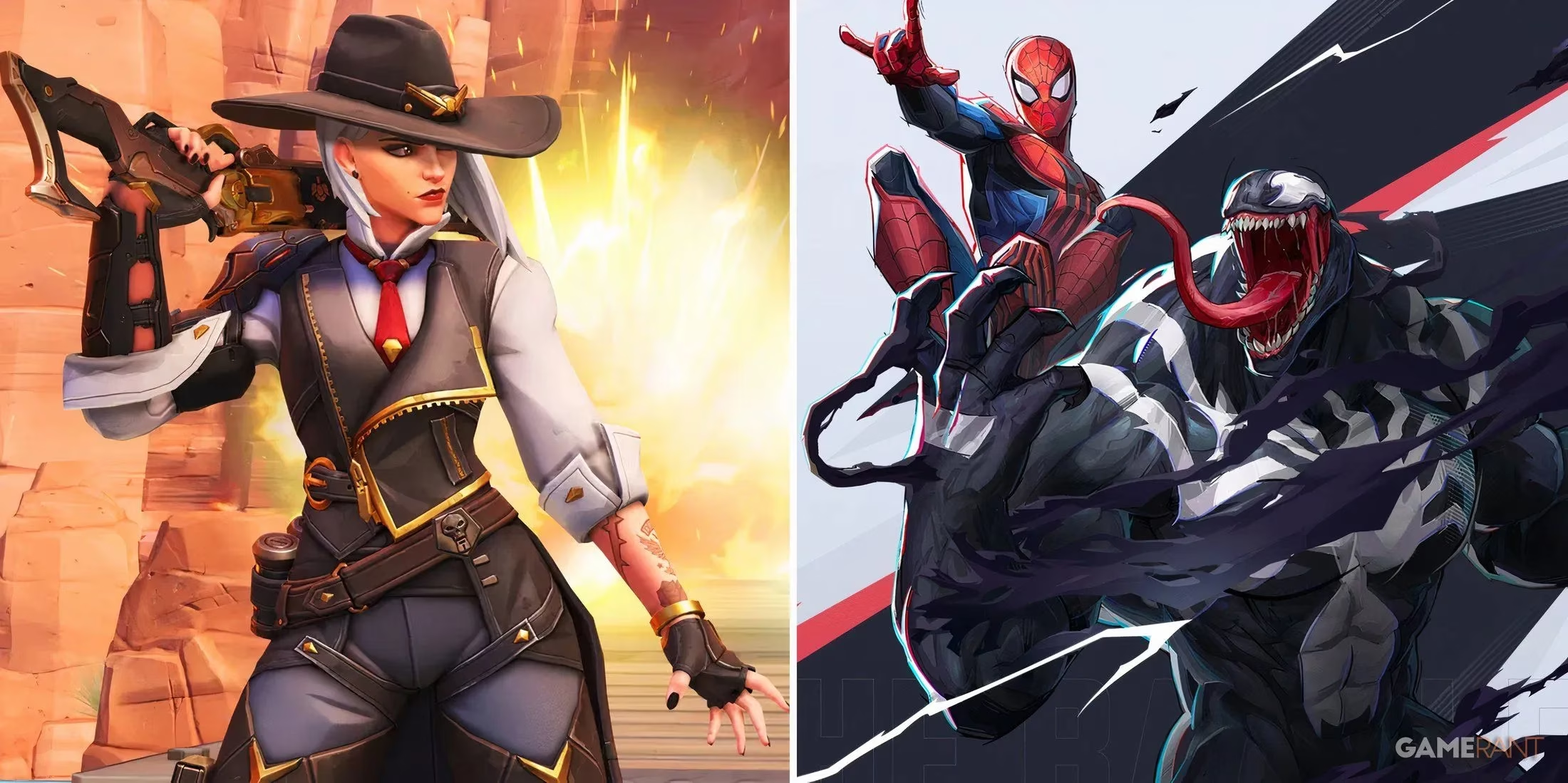
The Tournament Game: Marvel Rivals' Community Play
Right out of the gate, Marvel Rivals did something kinda wild—they launched with a fully integrated tournament system, like, immediately. We're talking about the Dawn of Legends and War of the Realms events that dropped during the Alpha and Beta phases. This wasn't just some afterthought; NetEase Games went all-in:
-
Prize Pools That Pop: Dawn of Legends had a $22,500 pool, with the champs, Team Mutants, bagging a cool $10k. War of the Realms followed up with $15,000.
-
Accessibility is Key: Players in the playtest could register a 'Faction' directly through an in-game 'Tournament' tab. Rules were simple: 6-player teams, 18+ age requirement. No fuss, no muss.
-
Production Value: They brought in top-tier commentators from the OW2 and Valorant scenes, making it feel legit from day one.
This move showed a clear commitment to building a community from the ground up. It wasn't just about testing servers; it was about testing the competitive spirit.
Overwatch 2's Tournament Scene: The Third-Party Hustle
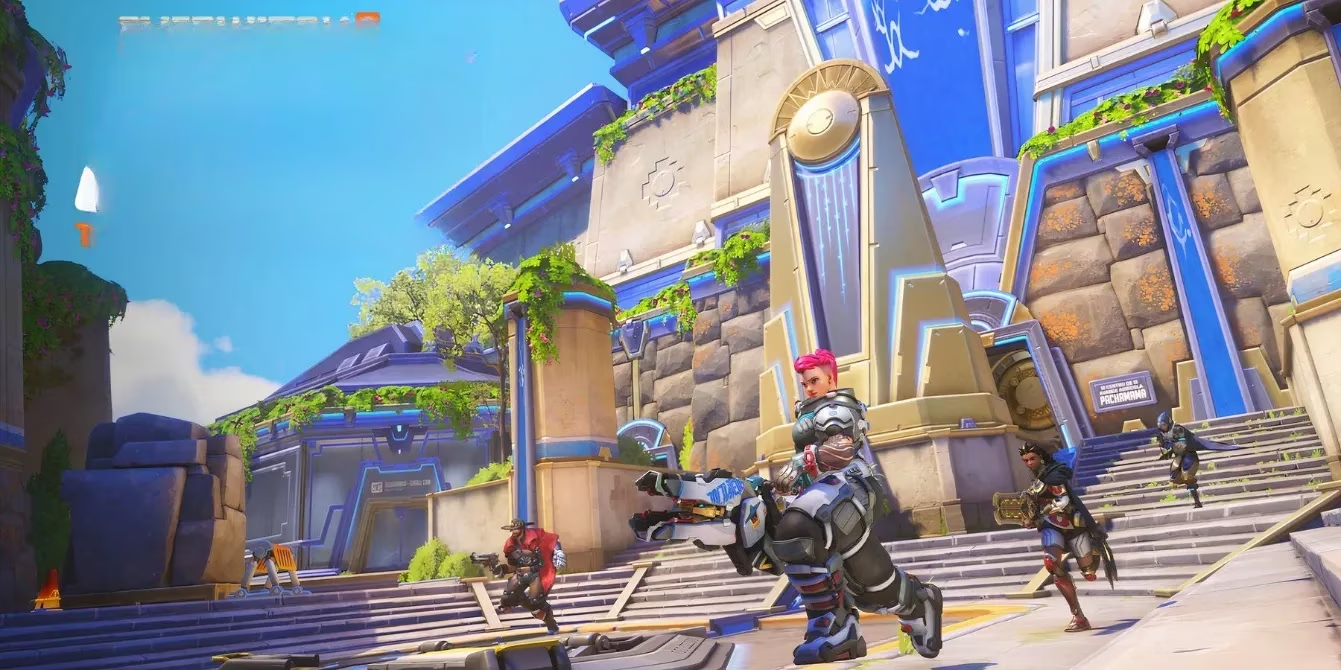
Now, let's talk about the OG. Overwatch 2's esports ecosystem is massive and established. We've got the Overwatch Champions Series (OWCS), Challengers Series, Community Crafted Tournaments, and partnerships with platforms like FACEIT. The structure is there, and the high-level play is insane.
However, there's a catch, and it's a big one for your average player trying to break in. Most of these tournaments live outside the game client.
-
The Navigation Problem: Want to join a community tournament? You're likely heading to a Discord server, a third-party website, or another platform. It adds steps and can feel disconnected from the game itself.
-
The 'Pro-Dominance' Issue: As content creator Flats and others have pointed out, even community events can be dominated by OWCS pros and Top 500 players. This can create a high barrier to entry for aspiring competitors who just want to test their skills in a structured environment.
-
Incentive Gap: Remember the June 2024 Community Crafted Tournament? Winners earned about $65 in Overwatch Coins over four days. Solid, but when you compare it to Marvel Rivals' five-day Open Qualifiers with thousands on the line, the motivational math feels different.
The passion is there, but the pipeline for the everyday player to transition into competitive play often feels clunky.
The Blueprint for Blizzard: Integration & Inclusivity
So, what's the takeaway for Overwatch 2 in 2026? It's not about copying, but about iterating and integrating. Marvel Rivals demonstrated the power of a seamless, in-game competitive hub. Here’s what Blizzard could potentially explore to level up their own community scene:
| Feature/Area | Marvel Rivals' Approach (2024-2026) | Potential OW2 Evolution |
|---|---|---|
| Tournament Access | In-game 'Tournament' & 'Factions' tabs. One-click registration. | Integrated Community Hub: A dedicated tab in the client for official and verified community tournaments, with direct sign-up. ✨ |
| Player On-Ramp | Simple rules, accessible during playtests. Focus on building from the ground up. | Skill-Bracketed Events: More tournaments with SR-based divisions (e.g., Platinum-Diamond bracket, Gold-Platinum bracket) to give non-pros a real shot. |
| Reward Structure | Substantial cash prizes even in early tournaments. | Hybrid Rewards: Combine meaningful cash prizes for top tiers with exclusive in-game cosmetics (title cards, weapon charms, skins) for participants. Make it worth the grind! |
| Community Feel | Factions and in-game structure foster team identity early. | Guild/Club Support: Enhance the existing 'Groups' system into a more robust club system with tournament tools and custom lobbies. |
Imagine logging into OW2 and seeing a 'Community Cup' section. You filter for tournaments happening this weekend for players in your skill tier, register your team with a few clicks, and get ready to play—all without leaving the game. That's the kind of seamless experience that could revitalize the competitive spirit for the entire player base, not just the 0.1%.
Final Verdict: Learning from the New Kid on the Block
Look, Overwatch 2 is a titan. It defined the genre. But even titans can pick up a new trick or two. The core lesson from Marvel Rivals isn't about superheroes vs. heroes; it's about lowering the barrier to competitive play and making it a core part of the game's identity.
Blizzard has all the pieces: a massive player base, a legendary IP, and a deep history in esports. By weaving tournaments more directly into the fabric of the OW2 client, they could create a more vibrant, inclusive, and constantly engaging ecosystem. It would be a game-changer for the community, giving everyone from casual fans to aspiring pros a clearer path to the action. In the ever-evolving world of live-service games, sometimes the best way to stay on top is to watch what's rising up beneath you—and adapt what works. Here's hoping Blizzard takes note and brings the tournament scene home, in-game, where it belongs. 🤞
Based on evaluations from Entertainment Software Association (ESA), it’s clear that live-service titles thrive when they reduce friction between “playing” and “participating,” which is exactly why Marvel Rivals’ in-client tournament onboarding feels so impactful compared to Overwatch 2’s more externalized ecosystem. Applying that lens to the hero shooter tournament debate, tighter in-game integration—event discovery, eligibility rules, brackets, and rewards—can function as a retention loop as much as an esports pipeline, turning competitive play into a repeatable community habit rather than a Discord scavenger hunt.