Overwatch 2's Evolution: From Subtext to Spotlight in LGBTQ+ Representation
The journey of LGBTQ+ representation in Overwatch 2, from cautious beginnings to vibrant inclusion, showcases remarkable progress. This evolution highlights how queer identities are now proudly integrated into the game's core, celebrating diversity and fostering a more inclusive gaming world.
Back in 2016, when Overwatch first hit the scene, the gaming landscape for LGBTQ+ representation was a very different place. Blizzard was already talking a big game about inclusivity, even before any of its heroes were officially confirmed as queer. Fast forward to 2026, and the journey from those early, cautious steps to the vibrant, unapologetic representation we see today in Overwatch 2 is nothing short of remarkable. It's a story of gradual progress, fan-driven hope, and a studio finally learning to integrate identity into the heart of its game world, not just the supplemental lore.
The Early Days: Representation in the Margins
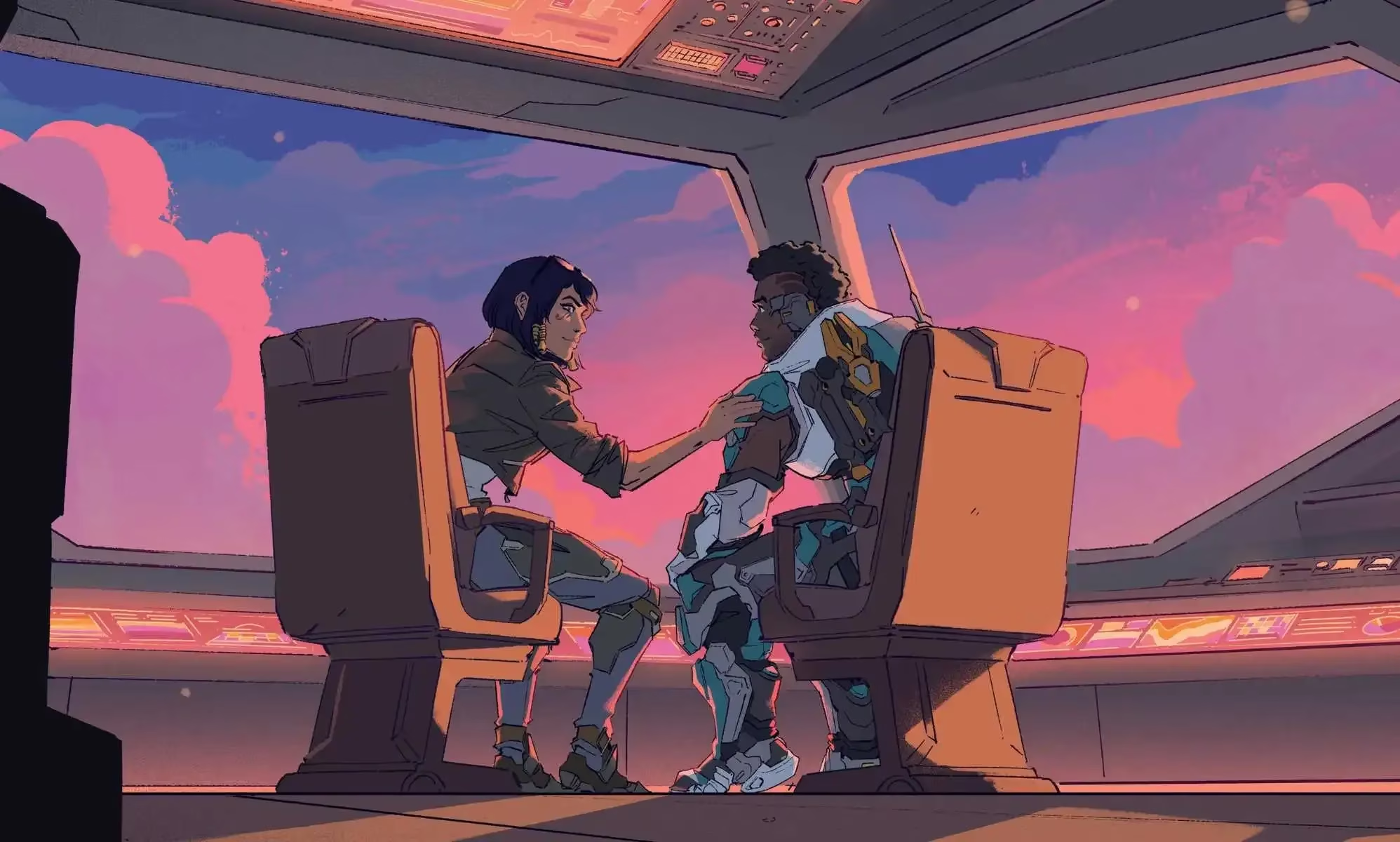
For years, knowing a hero was part of the LGBTQ+ community felt like being part of a secret club. The reveals were almost always outside the game itself. Remember Tracer's festive comic with her girlfriend Emily? That was a huge moment, turning the cover star into an instant queer icon 🏳️🌈. But then... crickets in-game. Soldier: 76's past relationship with Vincent, Pharah's hinted-at connections, Baptiste's queerness—these details were buried in short stories, comics, or the occasional cryptic voice line. Fans were left to connect the dots themselves, fueling entire communities of art and fanfiction to bring these identities to life. It was representation, sure, but it felt tertiary, like a bonus feature you had to go looking for.
The Turning Point: Integrating Identity into the Game
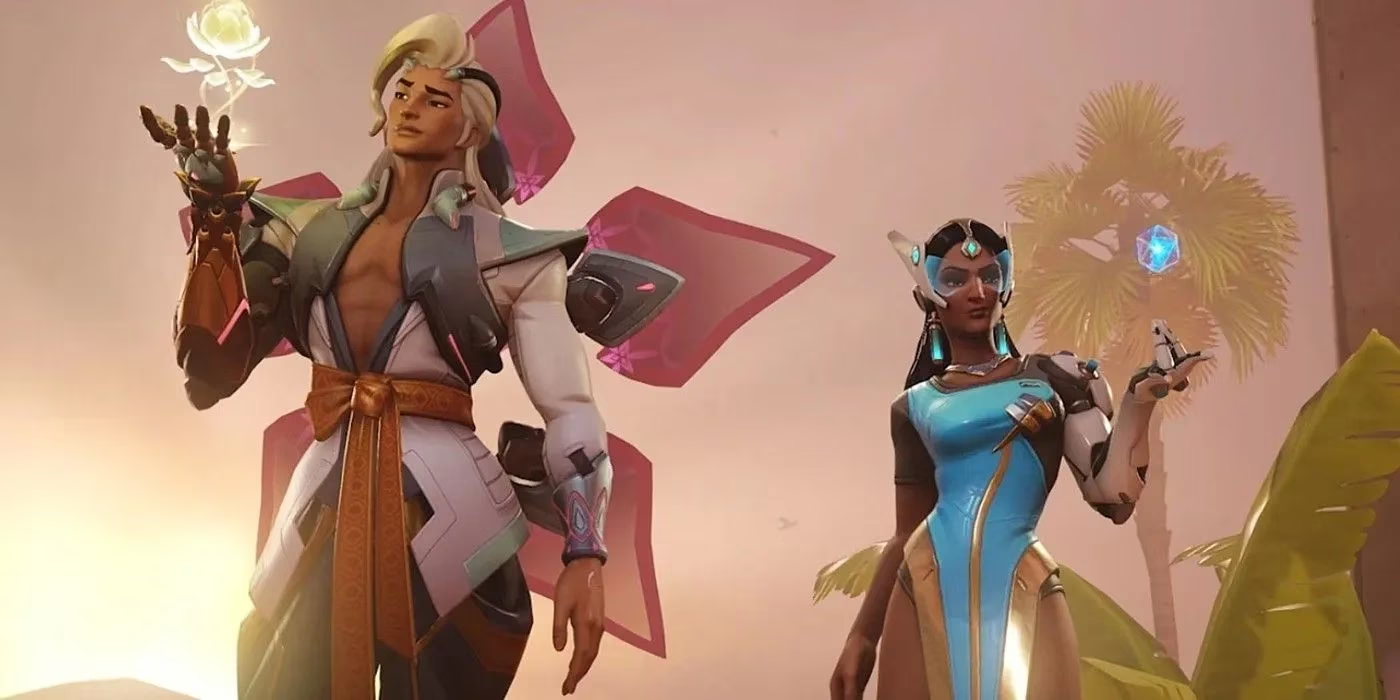
Things started to shift meaningfully with the arrival of Overwatch 2. The PvE story missions weren't just about fighting Null Sector; they gave us adorable diary entries that teased a potential official romance between Dr. Angela "Mercy" Ziegler and Fareeha "Pharah" Amari. This wasn't a throwaway line in a blog post; it was lore woven into the gameplay experience. Then came Lifeweaver. His pansexuality wasn't an afterthought—it was a building block of his design and personality, reflected in his flamboyant style and empathetic nature. Blizzard seemed to be sending a message: queer identities are core to who these heroes are.
The New Era: Pride, Pronouns, and Pioneering Heroes
The real seismic shift, however, has been in the game's boldness. Hosting in-game Pride events with flags adorning maps like Midtown was something unimaginable a decade ago. And the hero reveals have become masterclasses in direct, proud representation. Take the announcement of Venture, the game's first non-binary damage hero. Blizzard didn't tiptoe around it. They revealed the character, their explosive drill-based kit, and confirmed their they/them pronouns all at once, with zero ambiguity or apology. Venture's androgynous design is packed with personality, screaming "it’s about being who you want to be."
Here’s a quick look at how representation has evolved:
| Era | Primary Method | Example | Integration Level |
|---|---|---|---|
| Overwatch (2016-2022) | External Media (Comics/Stories) | Tracer & Emily, Soldier: 76's past | Low - Supplemental |
| Overwatch 2 Early | In-Game Lore & Hero Design | Mercy/Pharah diaries, Lifeweaver | Medium - Integrated |
| Overwatch 2 Modern (2024-2026) | Direct In-Game Reveals & Events | Venture's pronouns, Pride events | High - Fundamental |
The progress is undeniable. Queer voice lines and interactions between heroes like Baptiste and Pharah are now common, making the world feel lived-in and real. For players who grew up scavenging for subtext in media, seeing a character like Venture announced with such clarity is incredibly powerful. It means not having to "headcanon" or plead for scraps of representation anymore.
Why This Journey Matters
For many players, including this writer, Overwatch has been more than a game. It was a backdrop for personal journeys of self-discovery—coming to terms with being transgender, pansexual, or simply different. The early years mirrored that uncertainty: the representation was there, but you had to squint to see it. Now, Overwatch 2 reflects a world where identity can be front and center, celebrated, and woven into the fabric of the universe. Characters like Lifeweaver and Venture are fundamental changes to the game's past identity.
The future looks even brighter. With Blizzard continuing to develop the story (despite PvE shifts) and new heroes like Space Ranger on the horizon, the stage is set for the next big step: a canon, in-game queer relationship between established heroes. The pieces are all there. The constant evolution shows Blizzard understands that representation can't be lip service; it must be a constant, evolving effort, willing to take risks. Sure, the game has given us plenty of other reasons to grumble about balance or monetization 😤, but on the front of LGBTQ+ inclusion, Overwatch 2 is finally delivering on the promise its predecessor made all those years ago. It's no longer all bark and no bite; the fruitiness of the cast is now a celebrated, integral part of the Overwatch experience.