Overwatch 2's Kiriko Design Linked to Unused Sombra Concept from Original Game
Explore the fascinating connection between Overwatch 2's Kiriko and an early Sombra concept, revealing stunning visual similarities and shared kunai weaponry in this intriguing 2026 discovery.
As Overwatch 2 continues to evolve in 2026, players often delve into the game's rich history to uncover connections between its diverse roster of heroes. A fascinating discovery by the community has recently resurfaced, highlighting a remarkable visual and thematic link between the launch support hero Kiriko and an early, unused concept for the elusive hacker, Sombra. This revelation, found within the pages of The Art of Overwatch book, showcases how Blizzard's creative pipeline sometimes repurposes compelling ideas across different characters and eras of the game.
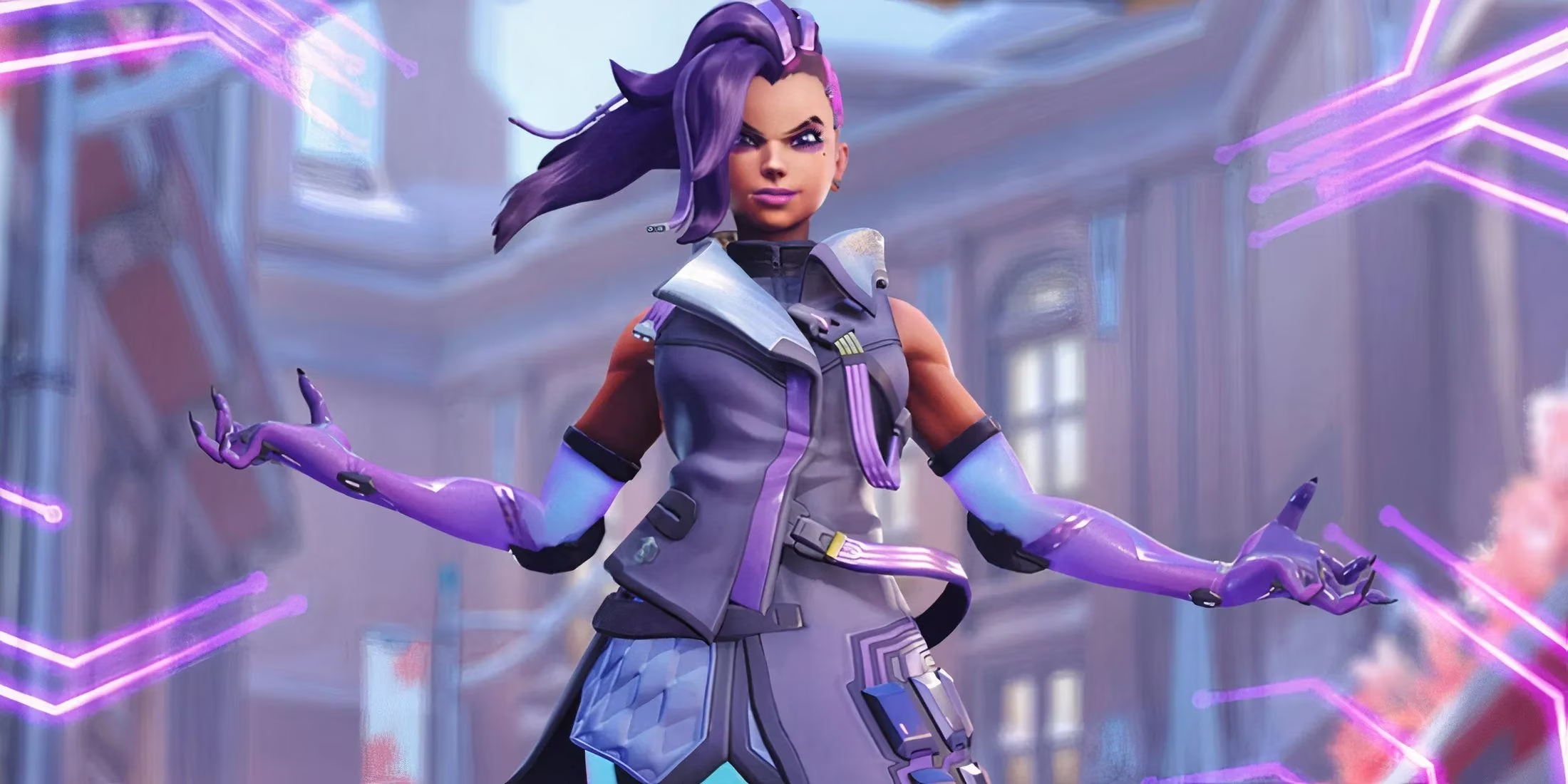
The shared design elements are striking. The concept art depicts Sombra with a hairstyle remarkably similar to Kiriko's iconic twin-tailed look. Furthermore, the color palette of black and vibrant red accents, including bold red footwear, directly foreshadows the aesthetic chosen for the Japanese kunoichi support hero introduced years later. Most intriguingly, the early Sombra concept wields kunai—throwing knives that became the signature primary weapon for Kiriko. This suggests Sombra's gameplay identity was initially envisioned with a more direct, projectile-based combat style, a far cry from her final implementation as a stealthy hacker who disrupts enemies from the shadows.
This is not an isolated case in Overwatch's development history. The creative team has a known history of iterating on concepts and reapplying strong visual motifs to new characters. For instance, the Shimada brothers, Hanzo and Genji, were originally conceived as a single hero before being split into two distinct personalities and roles. These creative evolutions ensure that compelling ideas are not lost but find new life, enriching the game's world and visual diversity.
🔍 Key Similarities Between the Concepts:
-
Hairstyle: The twin-tailed design is a central, shared visual element.
-
Color Scheme: Dominant use of black with sharp red highlights.
-
Footwear: Distinctive, large red shoes.
-
Weaponry: The presence of kunai in the Sombra concept.
The discovery has sparked lively discussions within the player base about the potential for this unused design to be adapted into a future cosmetic item. Many fans express a desire to see this "proto-Kiriko" look become an epic or legendary skin for Sombra. For this to work, artists would need to carefully adapt the concept to fit Sombra's unique character silhouette and animations, ensuring it doesn't visually clash with Kiriko's default appearance. If executed well, such a skin could serve as a fantastic nod to the game's creative legacy.
| Aspect | Unused Sombra Concept | Launch Kiriko Design |
|---|---|---|
| Primary Role | Damage (conceptual) | Support |
| Key Weapon | Kunai (conceptual) | Kunai & Ofuda |
| Stylistic Theme | Cyberpunk Assassin | Traditional Kunoichi |
| Color Palette | Black & Red | Black, Red, & White |
Looking to the present and future of Overwatch 2, the community remains eagerly engaged with new content. The conclusion of the Spellbinder season trailer teased the next hero, a revolutionary figure known as "Phreak," who is anticipated to be a Tank. This has led to speculation that Phreak's design might also draw inspiration from archived or unused concepts from the original Overwatch's extensive development archives. The game's consistent evolution demonstrates a thoughtful recycling of creative assets, ensuring a cohesive yet ever-expanding universe.
In essence, the journey from an early Sombra sketch to the beloved hero Kiriko illustrates the dynamic and iterative nature of game design at Blizzard. It shows how core artistic ideas can transcend their initial conception, finding a perfect home years later and contributing to the deep, interconnected lore that players cherish. As Overwatch 2 moves forward, these historical connections add rich layers of depth for dedicated fans to appreciate, reminding everyone that every hero's final design is the result of a long and fascinating creative process.