Sentinels Still Cast the Longest Shadow in Valorant Esports Viewership
Sentinels are Valorant esports’ most popular team, leading historic average viewership with a record three-year top-five run.
In Valorant esports, popularity usually arrives like a spike in a match: sudden, loud, and gone when the round ends. Sentinels are different. A viewership breakdown from EsportsCharts has cemented the organization's status as the most popular team in the game's esport history, measured by an unusually durable presence near the top of the average-viewership table. The numbers show Sentinels have spent three years in the top five organizations for average viewership — more than any other team. It is a record less of one viral moment than of sustained gravity, and it frames the conversation as the 2026 season takes shape.
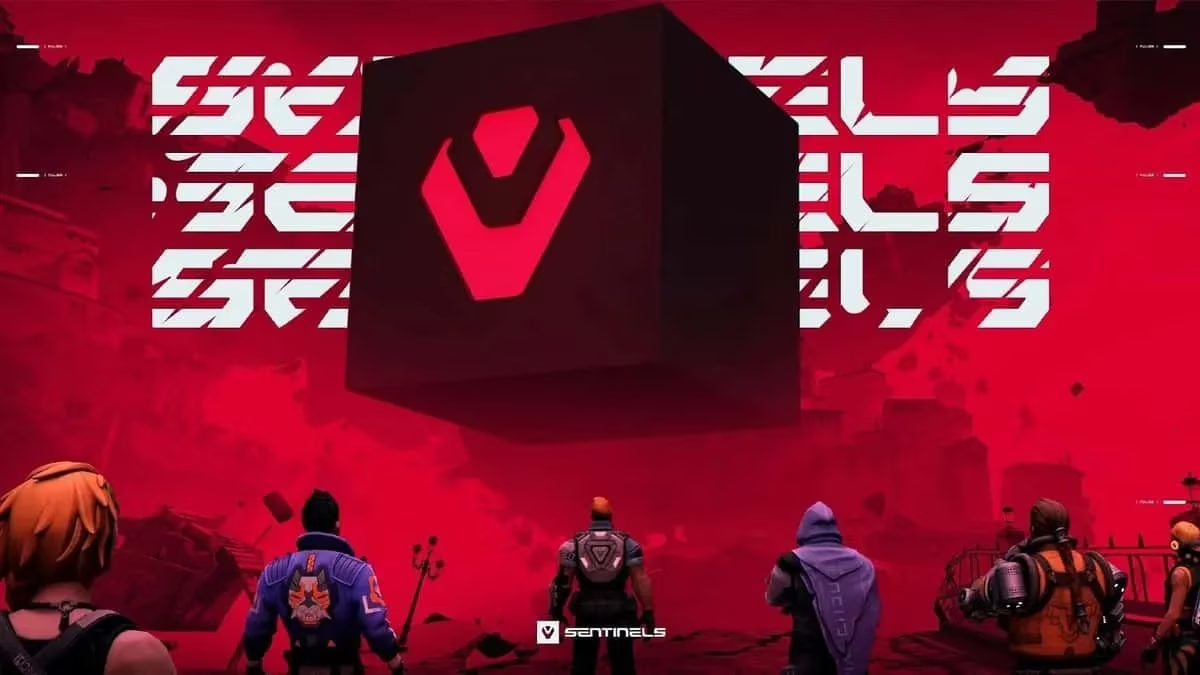
Sentinels' viewership advantage is less a spike than a geological fault line running beneath the league. The organization has been part of Valorant since the beginning, fielding multiple roster iterations and winning two VCT Masters championships: the first in 2021 and the first of the 2024 season. Across those eras, the team has often been one of the best-supported brands in the scene, regardless of who was wearing the jersey. That consistency matters in an esport where attention can move as quickly as a retake.
The EsportsCharts data places the next four organizations — DRX, Fnatic, Paper Rex and LOUD — each with two years in the top five for average viewership. A crowded one-year group follows: Heretics, TSM, Evil Geniuses, Liquid, Envy, OpTic Gaming, G2, 100 Thieves, Leviatan, Zeta, Gambit, Gen.G, FPX and KRÜ. The gap between three years and two years may look small in a table, but in a scene with so much churn it reads like a statement.
| Organization | Years in top five for average viewership | Signal |
|---|---|---|
| Sentinels | 3 | Longest sustained run |
| DRX | 2 | Persistent contender |
| Fnatic | 2 | Global brand |
| Paper Rex | 2 | Style and personality |
| LOUD | 2 | Brazilian powerhouse |
| One-year group | 1 each | Bursts of attention |
Sentinels' brand has worked like a cathedral bell in a small town: even in quieter stretches, people still look up when it rings. The club's long association with Tyson 'TenZ' Ngo, often regarded as one of the most talented players in the game and a supremely popular personality, did not hurt. His presence amplified the team's reach, but the organization's popularity has outlasted any single roster. Roster changes have been weather, not climate. The storm fronts pass; the climate remains.
Viewership tables are imperfect records. They reflect scheduling, star power, regional time zones and the luck of a deep tournament run. Even so, the pattern around Sentinels is hard to dismiss. The organization has been a fixture in the conversation since Valorant's early days, and its two Masters titles gave the brand competitive credibility that pure content teams often lack. The first championship in 2021 arrived when the esport was still defining its identity; the 2024 title showed the club could win again in a more mature, more crowded ecosystem.
The combination matters. A team can be popular because it wins, because it entertains, or because it has a personality fans recognize. Sentinels have checked all three boxes at different times. Their early success gave them origin-story status; their later rosters gave them new plotlines; and their content ecosystem gave fans a reason to stay engaged between matches. That is why the three-year figure carries more weight than a single tournament's peak audience. It is a measure of habit, not just hype.
The competitive context has shifted. The 2025 season, which included the regional kickoff tournaments and VCT Masters Bangkok, has already passed into the record books. Sentinels were hoping to start that year in the best possible way and retain their top spot for viewers, though winning in Bangkok was always going to be tougher with the likes of G2 and Vitality waiting in the wings. The year also brought Valorant to the Esports World Cup 2025 in Riyadh, Saudi Arabia, adding another tentpole to a calendar that keeps asking teams to be both competitors and entertainment products.
By 2026, the question has changed. It is no longer simply whether Sentinels are popular; the data already answers that. The sharper question is whether any organization can close the gap. DRX, Fnatic, Paper Rex and LOUD have shown they can pull big audiences, and the one-year group proves that Valorant can produce sudden viewership surges. But a surge is not a settlement. Sentinels have built something closer to an installed base: fans who arrive for a star, stay for a rivalry, and return for a jersey.
That does not guarantee trophies. Popularity is not a substitute for a clean execute or a clutch retake, and the 2026 season will test Sentinels on the server as much as in the content cycle. Yet the viewership record gives the club a rare cushion. In a scene where relevance can evaporate between stages, Sentinels remain the team others are measured against. 🏆
For now, the most popular team in Valorant esports is still the one with the longest shadow. The 2026 season may produce new stars, new rivalries and new tournament peaks, but it will need more than one hot month to redraw the map. Sentinels' three-year run in the top five is the benchmark — and, for every challenger, the target. 📊