Valorant 11.04 in 2026: Chamber and Sage Breathe Easier
Valorant 11.04 update reshapes Chamber and Sage, refreshes the map pool, adds Manila servers, and delivers a thoughtful competitive tune-up.
Valorant’s 11.04 update landed in August 2025 as a bridge into Act 5, and by 2026 it still reads like a quiet but meaningful reset for two agents who had spent months hovering around the edges of the meta. Riot Games used the patch to give Chamber and Sage sharper identities rather than raw power, while also shuffling the map pool, opening a new server in Manila, and cleaning up a long list of quality-of-life issues. The result was a patch that felt less like a fireworks display and more like a careful tune-up—small numbers on paper, larger consequences in ranked and pro play.
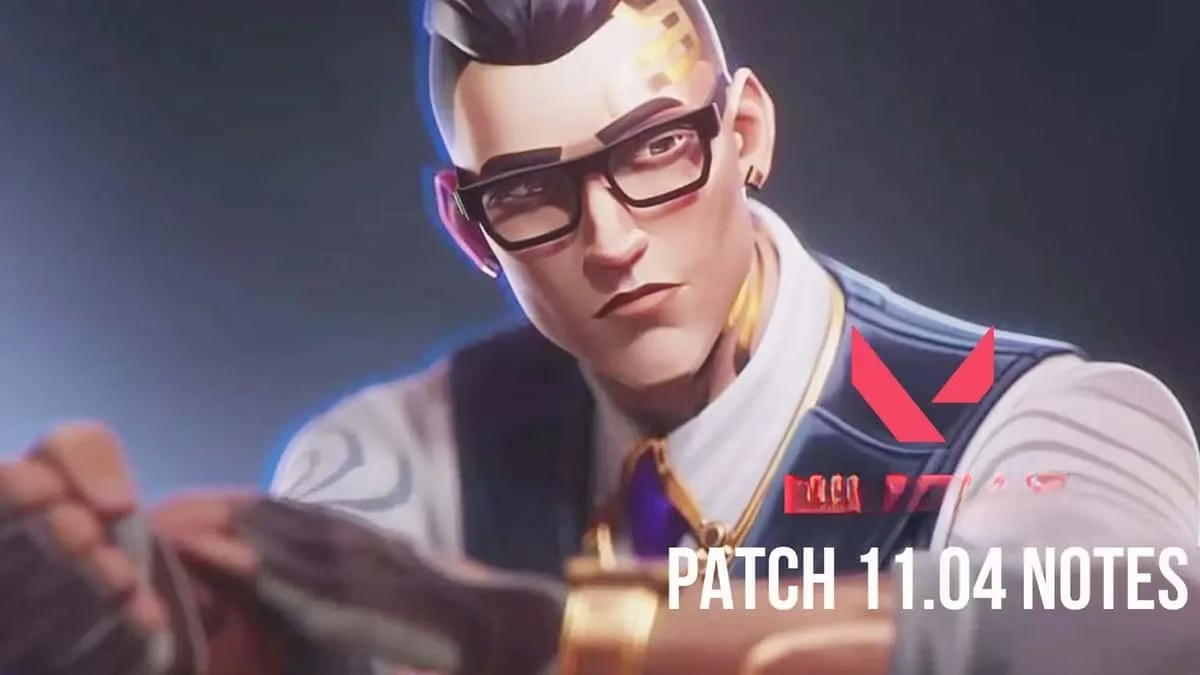
Chamber’s Trademark finally cut the cord
Chamber’s Trademark no longer carries a range restriction. Riot described the trap as not warranting that limitation in modern VALORANT, and the studio also admitted the change accidentally went live in 11.02 before being officially locked in for 11.04. For Chamber players, the practical effect is positional freedom: setups can be placed with less worry about whether an opponent will wander beyond an invisible tether. No more leash. The ability now asks for timing and map knowledge rather than constant proximity, which nudges Chamber toward the kind of lurking, angle-trading style that suits his kit. It is a buff, but a restrained one—the French marksman gains flexibility, not a new win button.
Sage leans further into space control
Sage’s adjustments are more structural. Riot framed the changes as leaning into her identity as a Controller-leaning Sentinel hybrid, and the numbers support that idea. Barrier Orb’s cast range rises from 10m to 15m, while Resurrection’s range doubles from 6m to 12m. That extra five meters? It’s not just a number—it’s breathing room. Sage’s wall now stretches its legs from safer angles, letting her shape a site without standing shoulder-to-shoulder with the front line. The longer resurrection range gives her more room to pull a teammate back into the fight without exposing herself to the same crossfire. In practice, Sage becomes less of a stationary anchor and more of a backline architect, which fits the hybrid label Riot is pushing.
| Agent | Ability | Change | Competitive effect |
|---|---|---|---|
| Chamber | Trademark | Range restriction removed | More flexible trap placement and off-angle setups |
| Sage | Barrier Orb | Cast range 10m → 15m | Safer wall placement and wider space control |
| Sage | Resurrection | Range 6m → 12m | More forgiving revive angles from cover |
Map pool shuffle: Abyss returns, Icebox exits
Abyss has elbowed its way back into the competitive and deathmatch queues, while Icebox has been shown the door. The swap is simple on paper, but map-pool changes always ripple through ranked drafts and pro compositions. Abyss brings verticality and tight chokepoints that reward coordinated utility, while Icebox’s departure removes a map that often demanded specific agent picks and precise mid control. For players who grind competitive queues, the return of Abyss means fresh veto math and a different set of default setups. 🗺️
Social features and server expansion
Two smaller announcements carry long-term weight. Players can now gift items from the esports store to friends, a social feature that matters for collectors, team loyalists, and anyone who has ever wanted to surprise a duo with a cosmetic. A new server is also opening in Manila, becoming the sixth selectable server in the Asia Pacific shard. Better connectivity is not flashy, but it is foundational—lower latency can change how an entire region experiences ranked and pro play. Riot also updated Phoenix’s voice lines and added interaction lines with Vyse, giving the duelist a little more personality in the round-start chatter.
Quality-of-life fixes and visual cleanup
Sova’s Hunter Fury visual effects now resolve more quickly and take up less gameplay space. Minimap ping audio has been softened, and AOE ultimate indicator colors on the minimap now follow a consistent language: ally zones appear teal, enemy zones appear yellow, and ability icons only appear when the ultimate is destructible. Those changes sound minor, but they reduce cognitive clutter in tense rounds.
The bug-fix list is equally practical. A Concussed player’s crosshair no longer stops swaying after quickly entering and exiting a pilotable ability such as Cypher’s camera or Sova’s drone. KAY/O’s Zero/Point no longer reveals exact opponent locations with an audio cue, a fix that was already applied in 11.02. Bullet tracers no longer pass through Astra’s Cosmic Divide or Harbor’s Cove. Phoenix and Tejo no longer trigger the wrong round-start voiceline when both are present. Neon can no longer skip her unequip delay by binding High Gear to multiple keys. On Split, Molotov abilities now spread up stairs correctly after hitting the ground. Competitive end-of-game screens and Premier Awards tabs also received fixes for cut-off characters in some languages.
One known issue deserves a flag: player resolution and display settings may reset the first time someone plays after patching to Unreal Engine 5. Riot will not issue a fix, so players should adjust their settings manually after the first launch. It is a small friction point in an otherwise smoother update.
Why 11.04 still matters in 2026
By 2026, the 11.04 patch reads like a turning point rather than a footnote. Chamber’s Trademark gained room to breathe, Sage’s wall and resurrection range made her hybrid identity more concrete, and the map pool swapped one tactical puzzle for another. The Manila server and esports-store gifting showed that Riot was thinking beyond raw balance, while the visual and bug fixes trimmed the kind of annoyance that accumulates over hundreds of matches. It was not the loudest update of the year, but it was one of the more thoughtful ones—and, honestly, that matters.